Showing posts with label adolescent health. Show all posts

Sunday, December 20, 2015

School Health Process | Karnataka State, India

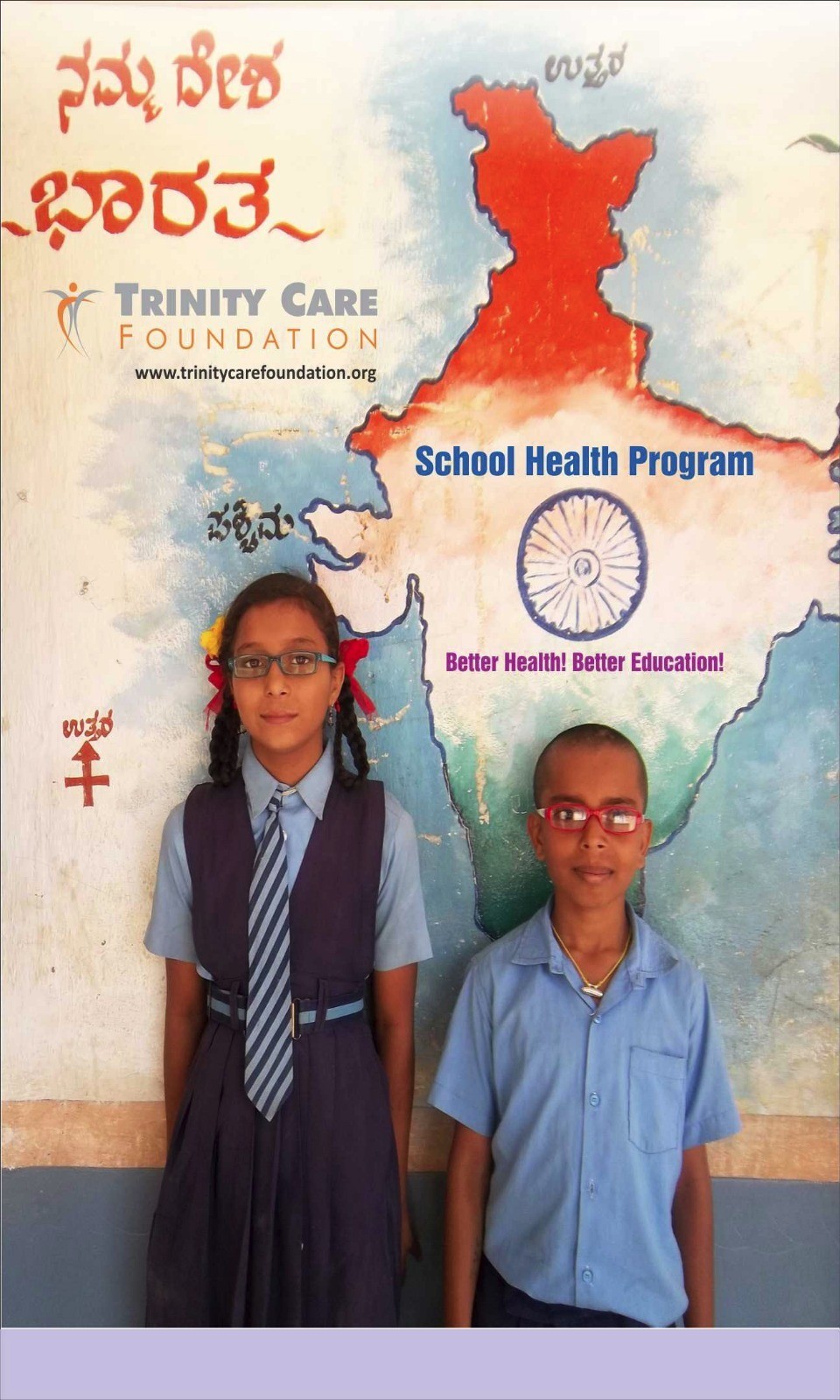
School Health Program Process being implemented by Trinity Care Foundation;


The team will cover Government schools in Karnataka state, India and undertake the following activities:

  1. Pre-screening of students for height, weight, skin, eye, dental, cardiac, caries, oral lesions, facial deformities, etc.,
  2. Facilitating medical intervention for those shortlisted through the pre-screening.
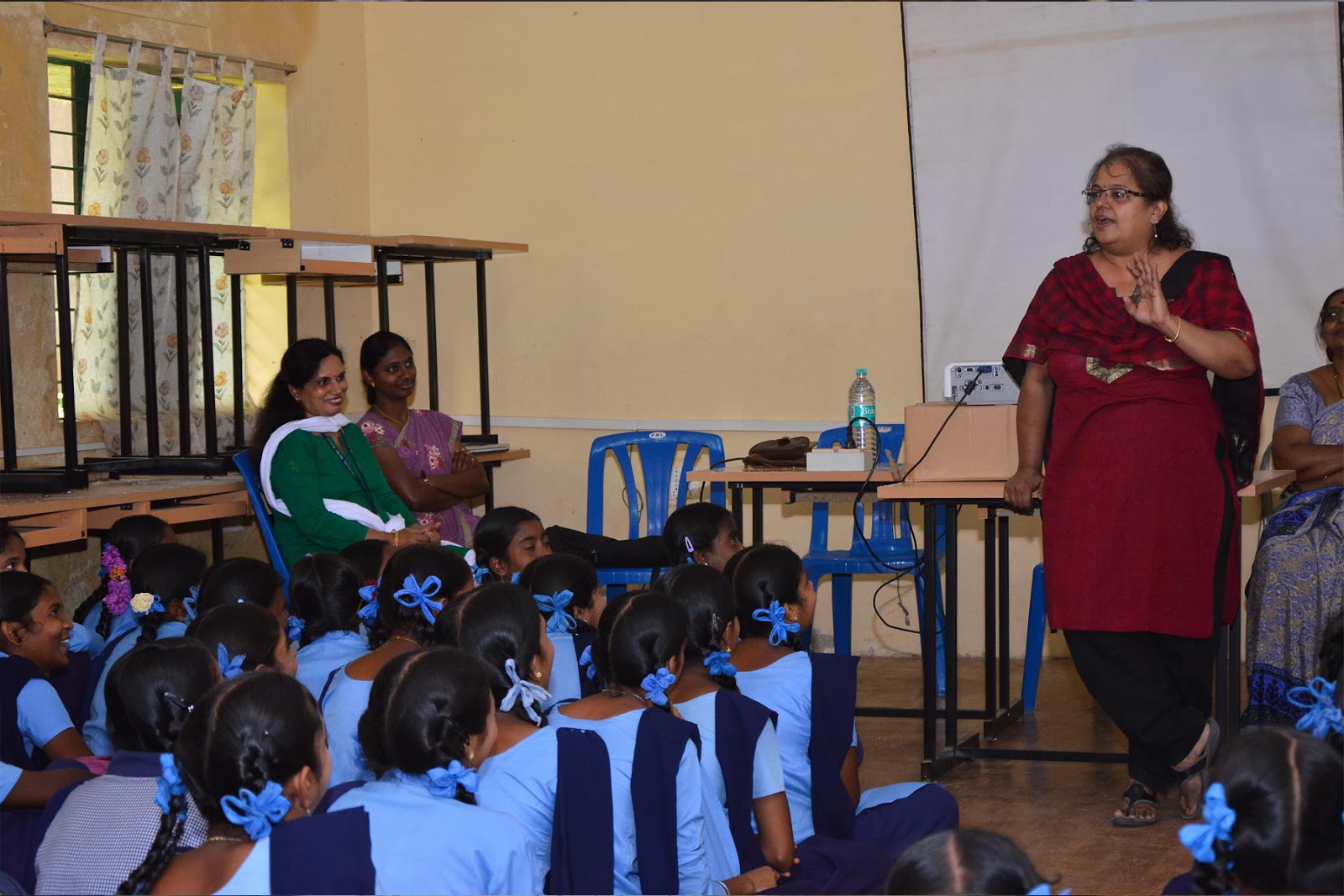
  3. Impart awareness on health issues,adolescent health, hand-washing, ill effects of tobacco and tooth brushing techniques to students of government schools.
  4. Undertake training for teachers and health workers to carry forward the work.
  5. Digital capture of data of each child.
To implement Corporate social responsibility (CSR) Programs : http://trinitycarefoundation.org/csrprogrammesindia 
For CSR partnership, write to us - support@trinitycarefoundation.org or Call/Message Dr. Thomas +91 9880 39 6666 | Mr.Binu +91 9880 35 8888 

Trinity Care Foundation Projects Link : https://www.flickr.com/photos/trinitycarefoundation/albums 
Thursday, October 1, 2015

Equitable child health care

In a vast country like India, the need for ensuring a healthy and dynamic future for a large populace and creating a developed society, agile and able to compete with the rest of the world, stands as of paramount importance. More info...


The dream of such a healthy and developed society can be achieved through concerted efforts and initiatives undertaken in a systematic manner at all levels. Equitable child health, care and early detection and treatment can be the most pragmatic initiative, or rather solution, at this juncture!


The Child Health Screening and Early Intervention Services will also translate into economic benefits in the long run. Timely intervention would not only halt the condition to deteriorate but would also reduce the out-of-pocket expenditure of the poor and the marginalised population in the country.  

Friday, September 12, 2014

School Health Program India


Trinity Care Foundation is a Public Health Organization Focused on Facial Deformities, School Health Programs and Outreach Health Programs. Twitter - https://twitter.com/tcfindia 


Tuesday, February 18, 2014

Tricky Teenage Subjects: Effective Adolescent Health Education

Health education is an absolutely vital factor in long-term health, as well as the health of future generations. Educating children about health can be as simple as teaching them about basic hygiene, such as the washing of hands after going to the toilet or how to brush one’s teeth effectively. However, some health education involves more complex subjects, such as drug abuse or HIV; topics which need especial attention when dealing with older children and young adolescents. These health risks are among the biggest threats facing our youth, and school health programmes are one of the most effective ways to positively impact on long-term public health goals, according to the World Health Organisation. 


HIV and AIDS

Because of breakthroughs in treatment options, HIV and AIDS are no longer in every headline, unlike only a few short years ago. While this can make it harder to impress upon students how serious the impact of the virus can be, it is nonetheless essential to convey the message effectively. Despite the fact that many associate the virus with intravenous drug use and homosexual intercourse – and while these are risk factors in transmission of HIV – 88.2% of transmission cases in 2011-2012 were via heterosexual intercourse. Nearly 200,00 HIV-related deaths were reported in 2011-2012, and more than 120,000 new cases of infection were recorded. Education about safe sexual practices, the relationship between HIV transmission and drug use, the availability of health services such as HIV testing and free condoms is vital to protect teenagers against this disease. 


Drug and Alcohol Abuse

For many teenagers, drug abuse is an easy trap to fall into. Many children grow up seeing various types of substance abuse in their communities, and have not been educated sufficiently about the dangers of drugs, including alcohol and tobacco. The easy availability of cheap “poppers” like aerosol inhalants, and the lax attitude of some retailers towards selling alcohol and tobacco to minors, make the dangers of substance abuse all the more prevalent and damaging. According to the World Health Organisation, alcohol is responsible for approximately 2.5 million deaths every year, which is nearly 4% of deaths worldwide. In India, alcohol-related deaths are on the rise, with 5,478 deaths caused by alcohol in 2012, 21% more than the 4547 cases in 2011. Traffic accidents are a primary cause of alcohol-related deaths, along with liver and brain complications. Toxic or contaminated home-made alcohol is also responsible for deaths from poisoning. Drug abuse is also highly prevalent; according to the World Health Organisation, there are as many as a million known heroin addicts in India, with an estimated further four million who are not registered in treatment programmes. Heroin, cannabis, and Indian-produced pharmaceutical drugs are the most commonly abused drugs. Although teenagers can be inclined to think of experimenting with substances as fun and exciting, it is important to impress upon them not only the dangers of substance abuse, but also to teach them how to recognize the signs of substance abuse in themselves and their peers, and how to seek help.


Sexual Safety


Sexual Safety extends much further than worrying about HIV and AIDS, and includes the risks of other sexually transmitted infections, as well as the risks of teen pregnancy. India, where many girls are married before the age of 19, has a very high rate of teenage pregnancy, which results in a loss of education for women, as well as physical health risks. Adolescent girls under the age of 16 who fall pregnant are four times as likely to die than women in their twenties, while the infant mortality rates of teenage pregnancies are approximately 50% higher than the rates of older women, according to the World Health Organisation. While the cultural aspect of young marriage is not something to be addressed in a health class, the health risks of unintended or young pregnancy are, and educating both young women and men about reproductive health is one of the most effective ways to begin to turn the tide. Additionally, the problem of sexual violence is an important one, and while girls are often taught to try to avoid situations in which they could encounter rape and other forms of sexual violence, it is important to impress upon adolescent boys, too, that these crimes hold severe consequences for them. 

Trinity Care Foundation is a Non Governmental Organization focusing on Craniofacial Deformities, School Health and Outreach Programs in Karnataka, India.We require your Support to implement these community Health Programs in Government Schools and Colleges in Ramanagara, Kolar and Bangalore Rural Districts in Karnataka State, India.  
Kindly write to us : support@trinitycarefoundation.org   | http://trinitycarefoundation.org/ |